

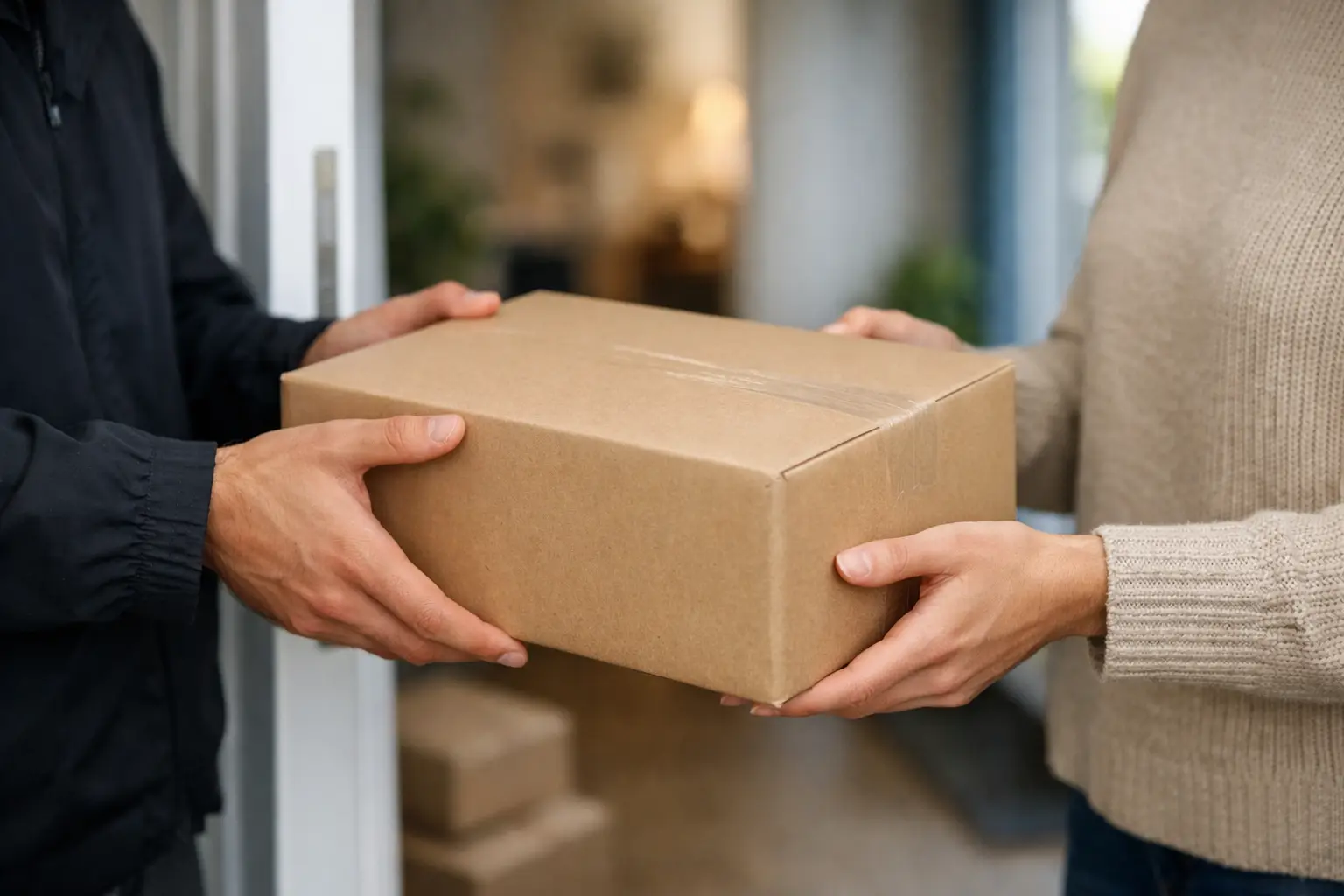
A discreet parcel delivery guide should answer practical questions, not make vague promises. You need to know what appears on the outer parcel, when tracking becomes available, who can accept delivery and what to do if a shipment is delayed. For privacy-conscious GB buyers, dependable fulfilment starts with clear processes before checkout.
Discretion and speed can work together, but only when the retailer has organised stock, accurate order details and a delivery method suited to the destination. Plain packaging protects customer privacy. Tracking protects certainty. Neither replaces the need to order lawfully, use accurate delivery information and understand the rules that apply where you live.
What discreet delivery should actually mean
Discreet delivery is not about concealing unlawful activity or bypassing customs requirements. It means the parcel is prepared professionally, without unnecessary product branding, promotional language or attention-grabbing exterior labelling. A neighbour, receptionist or household member who sees the package should see an ordinary, securely packed consignment – not a detailed description of its contents.
For specialist online orders, the strongest delivery standard combines neutral outer packaging with careful internal protection. The outer layer should be plain and durable. The contents should be secured to prevent movement, leaks or damage in transit. Any paperwork should be limited to what is required for legitimate fulfilment and transport.
A serious retailer also avoids turning packaging into advertising. Loud logos, product names printed across the box and unnecessary inserts undermine the very privacy customers expect. Plain does not mean careless. It means professional, secure and proportionate.
Start with an address that can receive the parcel
Most delivery problems begin with incomplete or unsuitable address details. Use the full name associated with the address where possible, include the flat number, building name or department when relevant, and check the postcode character by character before placing the order. A single missing digit can lead to a failed delivery, a return to sender or a delay while the carrier investigates.
Think realistically about who can accept the parcel. A home address is often the simplest option if somebody can receive it. A work address may be appropriate only where personal deliveries are permitted and reception staff routinely handle parcels. Shared accommodation requires extra care: if several people access the entrance or post area, tracking notifications become especially useful.
Do not use a false name, inaccurate address or an address you cannot access. It creates avoidable verification issues and can compromise both delivery and privacy. Accurate customer details give the carrier the best chance of delivering without follow-up calls, redirection requests or returns.
Consider timing, not just location
A good address is only half the decision. Consider when you are likely to be available. If you work irregular hours, travel frequently or cannot collect missed parcels promptly, choose a delivery option that gives you clear tracking and a realistic collection route.
Orders placed before a retailer’s daily cut-off may qualify for same-day processing, but processing is not the same as guaranteed next-day arrival. Weekends, bank holidays, carrier capacity and destination region all affect the final delivery window. Treat estimated dates as useful guidance, then follow the tracking once the parcel enters the carrier network.
Choose tracking for certainty and control
Tracked delivery is one of the most valuable features of a privacy-focused order. It gives you a reference point from dispatch through to delivery, helping you plan for arrival without repeatedly contacting support. It also provides an objective record if a parcel appears delayed or is marked as delivered unexpectedly.
The best time to check tracking is after you receive confirmation that the order has been dispatched. Early scans can take time to appear, particularly during busy periods. A short gap between dispatch confirmation and the first carrier update is not automatically a problem. If the status remains unchanged beyond the expected period, contact the retailer through its official customer support channel with the order number and tracking details ready.
Avoid making repeated changes to a parcel while it is moving through the network. Redirects, safe-place instructions and last-minute address amendments can be useful in limited situations, but they may add delay or create a delivery exception. If discretion is your priority, select the right address and service at checkout rather than trying to alter the journey afterwards.
Keep communications private and accurate
Delivery updates are helpful, but they should go to an email address and phone number you control. Check that your inbox is accessible and that notifications are not being filtered into spam. If SMS tracking is offered, use a number you can view promptly, especially if a signature, collection or delivery instruction becomes necessary.
Privacy also depends on how you manage your own records. Keep the order confirmation, dispatch notice and tracking reference until the parcel has arrived and been checked. Do not share screenshots containing addresses, order numbers or tracking codes in public chats or social media. These details are useful for support, but they should stay between you, the carrier and the retailer.
Payment privacy is a separate consideration from delivery privacy. A payment method may reduce the information shared with a financial provider, but it does not remove the need for legitimate customer details, legal compliance or proper order processing. Use only payment methods you understand and follow the retailer’s stated payment instructions exactly to avoid delays.
What to expect from packaging and dispatch
A reliable fulfilment operation works from verified stock rather than uncertain availability claims. Once an order is accepted, the retailer should pick the correct item and quantity, inspect the package condition, prepare protective packing and create the shipping label. Tracking is normally issued after the label and shipment record have been generated.
For customers, the most useful signs of a well-run process are straightforward: a clear order confirmation, a realistic dispatch update, a working tracking reference and responsive support when something needs checking. Chemistry King focuses on these operational details because speed only matters when the right order arrives securely and with the expected level of discretion.
Packaging can vary according to the item, quantity and route. Small consignments may use a compact mailer, while larger orders need a sturdier carton or protective outer layer. The principle stays the same: use packaging that is fit for transit, does not reveal unnecessary information and protects the order from damage.
If the parcel is delayed, damaged or marked delivered
Delivery issues need a calm, evidence-led response. First, check the latest tracking event and the stated delivery estimate. Then check any designated safe place, building reception, household member or collection point that may have received the parcel. Carriers sometimes scan a package as delivered shortly before it becomes visible in the local delivery process, so allow a reasonable short period before escalating.
If there is still no parcel, contact support with your order number, full delivery name and tracking reference. Keep the message clear: state the current tracking status, the date of the last update and whether you have checked the likely delivery locations. This allows the retailer to assess the issue quickly rather than spending time requesting basic information.
If the outer packaging arrives damaged, photograph it before opening if practical. Check the contents promptly and report any problem with concise details and clear images. Do not discard the packaging until the issue has been resolved, as it may help the carrier or retailer assess what happened during transit.
A discreet parcel delivery checklist before checkout
Before confirming any order, make four checks. Confirm that the item is lawful to order, possess and receive at your location. Verify that the delivery name, address and postcode are complete. Select a tracked service that suits your availability. Finally, make sure you can receive delivery notifications privately and access the tracking reference.
These checks take minutes, yet they prevent most avoidable delivery problems. They also make customer support faster if a carrier exception occurs. Privacy is not created by a single packaging choice – it comes from accurate details, careful dispatch, informed tracking and responsible handling at every stage.
A private delivery should feel routine: neutral on the outside, secure in transit and easy to follow from dispatch to doorstep. Choose transparent fulfilment standards, keep your details correct and let tracking do the work.